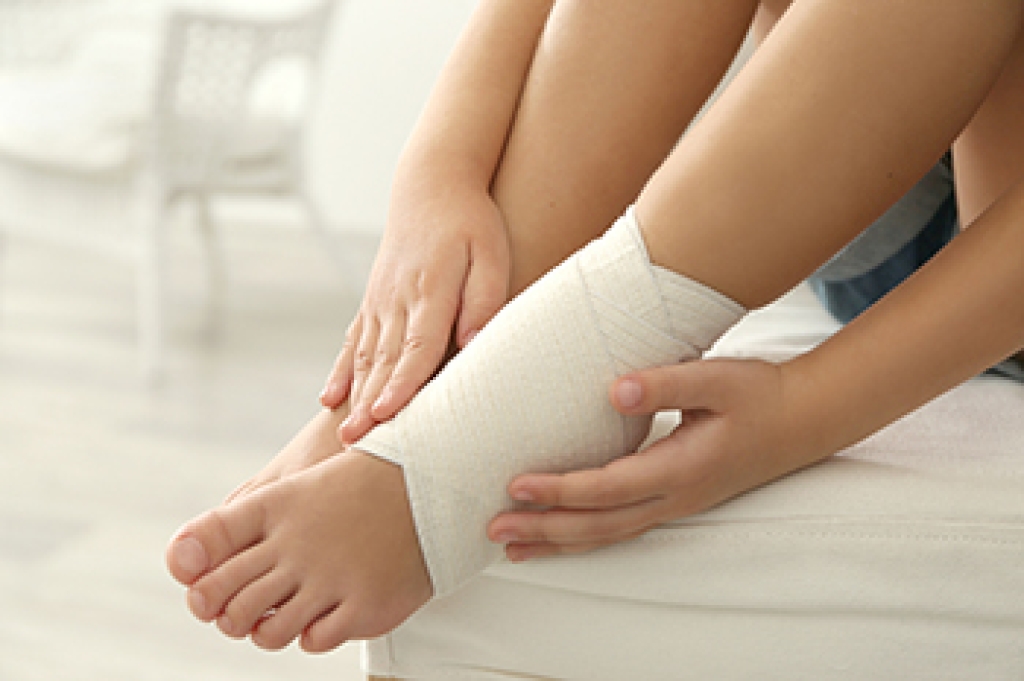
We Can Treat Your Foot or Ankle Pain

Foot or ankle pain can negatively affect your day-to-day life and can occur due to several different conditions. Pain can also be an indicator of a more serious underlying condition, which is why you should seek professional help as soon as you notice any abnormalities in your feet.

High Heels in Moderation

Wearing high heels regularly can take a toll on your body over time, and may produce weakened ligaments, lower back and knee pain, bunions, corns, calluses, plantar fasciitis, hammertoe, Morton’s neuroma, sesamoiditis, stiffened/shortened Achilles tendons, ankle sprains, and more. Women who are not dissuaded completely from wearing high heels can try to minimize their harmful effects with a few modifications. Shoes should be properly fitted and not too small. Foot size changes with age, childbirth, and fluctuations in weight, and feet should be measured for length and width with every shoe purchase. Heels should not be worn every day—only once in a while or on special occasions. Pencil-thin stilettos should be switched out with wider-heeled shoes which distribute body weight more evenly across the heel, or platforms or wedges that offer more stability and support. T-strap or Mary Jane styles help prevent the foot from sliding forward into the narrower part of the shoe, and also keep it more aligned evenly over the arch. A podiatrist may have additional footwear advice as well as the ability to create custom orthotics for support and to relieve pressure points on the foot caused by high heels.

High heels have a history of causing foot and ankle problems. If you have any concerns about your feet or ankles, contact Carrie Frame, DPM from West Virginia Foot & Ankle. Our doctor can provide the care you need to keep you pain-free and on your feet.

Effects of High Heels on the Feet

High heels are popular shoes among women because of their many styles and societal appeal.  Despite this, high heels can still cause many health problems if worn too frequently.

Which Parts of My Body Will Be Affected by High Heels?

  • Ankle Joints
  • Achilles Tendon – May shorten and stiffen with prolonged wear
  • Balls of the Feet
  • Knees – Heels cause the knees to bend constantly, creating stress on them
  • Back – They decrease the spine’s ability to absorb shock, which may lead to back pain.  The vertebrae of the lower back may compress.

What Kinds of Foot Problems Can Develop from Wearing High Heels?

  • Corns
  • Calluses
  • Hammertoe
  • Bunions
  • Morton’s Neuroma
  • Plantar Fasciitis

How Can I Still Wear High Heels and Maintain Foot Health?

If you want to wear high heeled shoes, make sure that you are not wearing them every day, as this will help prevent long term physical problems.  Try wearing thicker heels as opposed to stilettos to distribute weight more evenly across the feet.  Always make sure you are wearing the proper shoes for the right occasion, such as sneakers for exercising.  If you walk to work, try carrying your heels with you and changing into them once you arrive at work.  Adding inserts to your heels can help cushion your feet and absorb shock. Full foot inserts or metatarsal pads are available. 

If you have any questions, please feel free to contact our office located in Charleston, WV . We offer the newest diagnostic and treatment technologies for all your foot care needs.

Read more about Effect of High Heels on the Feet

Treating a Hammertoe Deformity

A hammertoe deformity develops when a toe bends abnormally at the middle joint, causing the toe to curl downward instead of lying flat. The second toe is most commonly affected. Hammertoes can develop from muscle and tendon imbalance, arthritis, or years of wearing tight shoes with a narrow toe box. Symptoms include toe pain, corns, calluses, and discomfort when walking or wearing shoes. Some people also develop pain in the ball of the foot because pressure shifts unevenly across the foot. A podiatrist can diagnose a hammertoe deformity through a foot exam and by checking the joints for signs of arthritis. Treatment includes wearing shoes with a wide toe box, protective toe pads, and custom orthotics to reduce pressure and improve foot alignment. Taping or splinting the toe can help support its position. In more severe cases, surgery can straighten the toe and relieve pain. If you are experiencing pain from a hammertoe deformity, it is suggested that you schedule an appointment with a podiatrist for appropriate treatment solutions.

Hammertoes can be a painful condition to live with. For more information, contact Carrie Frame, DPM of West Virginia Foot & Ankle. Our doctor will answer any of your foot- and ankle-related questions.

Hammertoe

Hammertoe is a foot deformity that occurs due to an imbalance in the muscles, tendons, or ligaments that normally hold the toe straight. It can be caused by the type of shoes you wear, your foot structure, trauma, and certain disease processes.

Symptoms

  • Painful and/or difficult toe movement
  • Swelling
  • Joint stiffness
  • Calluses/Corns
  • Physical deformity

Risk Factors

  • Age – The risk of hammertoe increases with age
  • Sex – Women are more likely to have hammertoe compared to men
  • Toe Length – You are more likely to develop hammertoe if your second toe is longer than your big toe
  • Certain Diseases – Arthritis and diabetes may make you more likely to develop hammertoe

Treatment

If you have hammertoe, you should change into a more comfortable shoe that provides enough room for your toes. Exercises such as picking up marbles may strengthen and stretch your toe muscles. Nevertheless, it is important to seek assistance from a podiatrist in order to determine the severity of your hammertoe and see which treatment option will work best for you.

If you have any questions, please feel free to contact our office located in Charleston, WV . We offer the newest diagnostic and treatment technologies for all your foot care needs.

Read more about Hammertoe

Exercises for Flat Feet and When to Seek Care

Flat feet is a condition where the arches of the feet are low or absent, causing the entire sole to touch the ground while standing. It may develop from genetics, ligament laxity, injury, or gradual strain over time. People with flat feet may notice foot fatigue, aching along the arch, or pain in the heel and ankle after activity. Simple exercises can help support the foot. These include heel stretches that can improve flexibility in the calf and reduce strain on the arch. Tennis ball rolls gently massage the bottom of the foot and promote circulation. Arch lifts strengthen the small muscles that support the foot structure. While these exercises may provide temporary relief, a podiatrist can evaluate alignment, recommend custom orthotics, and address underlying causes. If you have flat feet and your feet hurt or are consistently tired, it is suggested that you consult a podiatrist for additional relief and management tips.

Exercising your feet regularly with the proper foot wear is a great way to prevent injuries and build strength. If you have any concerns about your feet, contact Carrie Frame, DPM from West Virginia Foot & Ankle. Our doctor can provide the care you need to keep you pain-free and on your feet.

Exercise for Your Feet

Exercise for your feet can help you gain strength, mobility and flexibility in your feet. They say that strengthening your feet can be just as rewarding as strengthening another part of the body. Your feet are very important, and we often forget about them in our daily tasks. But it is because of our feet that are we able to get going and do what we need to. For those of us fortunate enough to not have any foot problems, it is an important gesture to take care of them to ensure good health in the long run.

Some foot health exercises can include ankle pumps, tip-toeing, toe rises, lifting off the floor doing reps and sets, and flexing the toes. It is best to speak with Our doctor to determine an appropriate regimen for your needs. Everyone’s needs and bodies are different, and the activities required to maintain strength in the feet vary from individual to individual. 

Once you get into a routine of doing regular exercise, you may notice a difference in your feet and how strong they may become.

If you have any questions, please feel free to contact our office located in Charleston, WV . We offer the newest diagnostic and treatment technologies for all your foot care needs.

Read more about Exercise for Your Feet

How to Find Relief From Cracked Heels

The medical condition that is known as cracked heels can often cause discomfort, and in severe cases, it may be unsightly. It occurs when the skin splits, forming cracks. Deep cracks are known as fissures. Common reasons for this to occur can include standing for extended periods of time throughout the day, or wearing shoes that have an open back. Additionally, specific medical conditions can cause this condition, including psoriasis, diabetes, and circulation issues. Patients who are overweight may notice cracked heels developing, and this may be a result of the added weight that the feet endure. Relief may be found when shoes that have a back are worn, and it can help to soak the feet in warm water. It is beneficial to exfoliate the heels, followed by applying a good moisturizer. If you are afflicted with cracked heels, it is strongly suggested that you consult with a podiatrist who can help you manage this condition.

Cracked heels are unsightly and can cause further damage to your shoes and feet. If you have any concerns, contact Carrie Frame, DPM from West Virginia Foot & Ankle. Our doctor can provide the care you need to keep you pain-free and on your feet.

Cracked Heels

Cracked heels appear unappealing and can make it harder for you walk around in sandals. Aside from looking unpleasant, cracked heels can also tear stockings, socks, and wear out your shoes. There are several methods to help restore a cracked heel and prevent further damage.

How Do You Get Them?

Dry skin is the number one culprit in creating cracked heels. Many athletes, walkers, joggers, and even swimmers suffer from cracked heels. Age and skin oil production play a role to getting cracked heels as well.

Promote Healing

Over the counter medicines can help, especially for those that need instant relief or who suffer from chronic dry feet.

Wear Socks – Wearing socks with medicated creams helps lock in moisture.

Moisturizers – Applying both day and night will help alleviate dryness which causes cracking.

Pumice Stones – These exfoliate and remove dead skin, which allows for smoother moisturizer application and better absorption into the skin. 

Change in Diet

Eating healthy with a well-balanced diet will give the skin a fresh and radiant look. Your body responds to the kinds of food you ingest. Omega-3 fatty acids and zinc supplements can also revitalize skin tissue.

Most importantly, seek professional help if unsure how to proceed in treating cracked heels. A podiatrist will help you with any questions or information needed. 

If you have any questions, please feel free to contact our office located in Charleston, WV . We offer the newest diagnostic and treatment technologies for all your foot care needs.

Read more about Solutions for Cracked Heels

Connect With Us

Advanced Podiatric Procedures & Services in the Kanawha County, WV area